How to Find Pre-Launch Startups Before They Hit Product Hunt or TechCrunch
A practical three-channel routine for finding pre-launch startups early: a curated directory, founder communities and beta waitlists, plus what to do when you spot one.
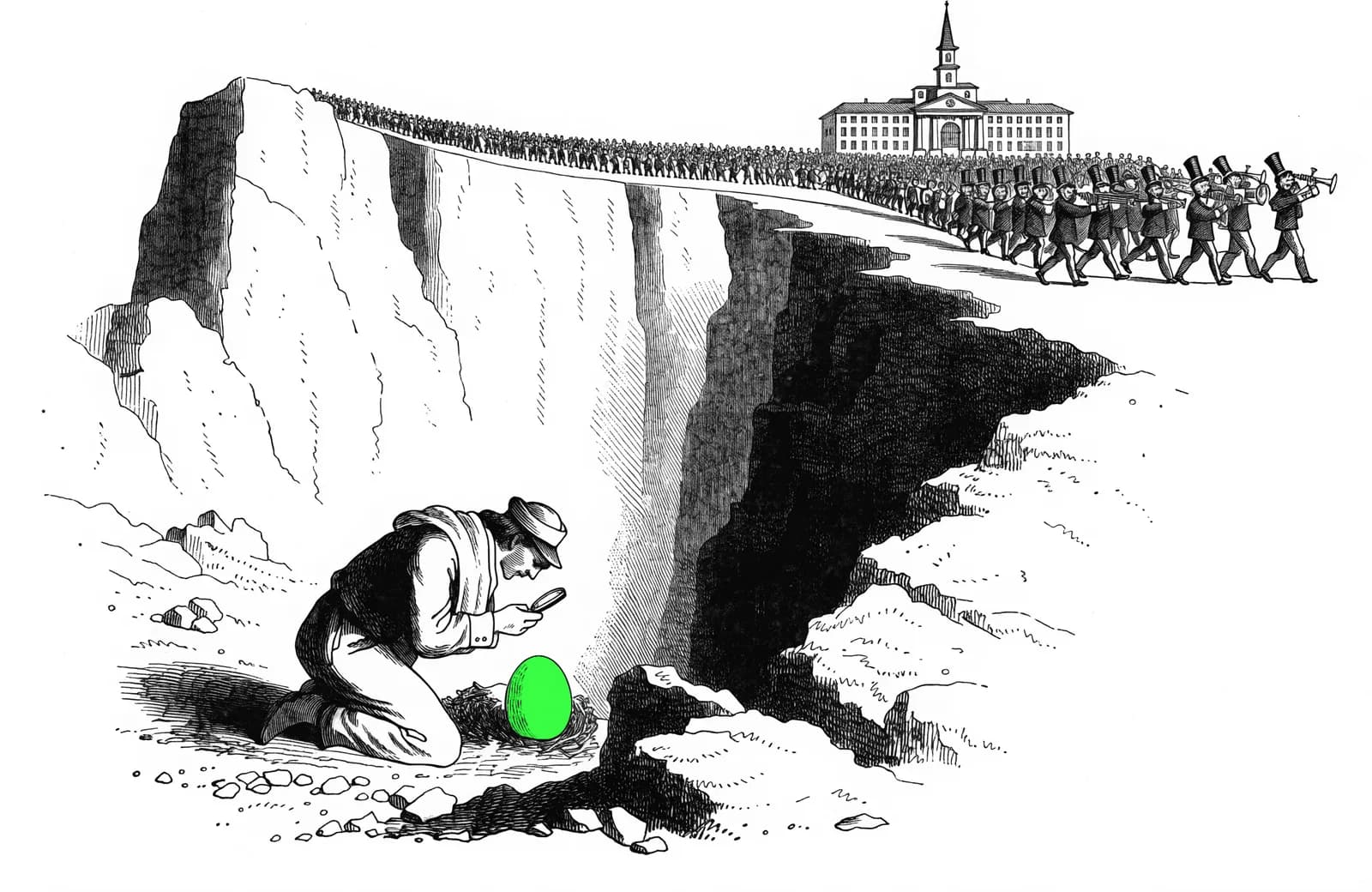
You have probably seen it a dozen times. A startup explodes onto your feed, everyone is talking about it, and by the time you sign up there are ten thousand people ahead of you. The early-access perks are gone, the founders are too busy to talk and the window to influence the roadmap has quietly closed.
Those startups did not appear out of nowhere. They existed weeks or months before Product Hunt or TechCrunch touched them, and the people who got in early were not lucky. They were running a better sourcing system.
This guide walks through a practical three-channel workflow that puts you upstream of the launch noise: a curated startup directory, founder communities and beta waitlists. It also covers how to turn that into a daily routine and what to do once you spot something promising.
By the Time It Trends, You Are Already Late
Most people discover a new startup the same way. It reaches the top of Product Hunt, gets a TechCrunch blurb and suddenly everyone is talking about it. That feels like discovery. It is amplification.
By the time a product trends publicly, it has often spent a while in private beta. A small group of early users has already shaped the onboarding, flagged broken features and built a direct line to the founders. The mainstream audience inherits a more polished product, but none of the influence.
The real window sits upstream of all that noise.
Most startups move through three layers before reaching the press cycle: a pre-launch waitlist, a limited beta and a public launch. Most people only hear about a product at layer three, but layers one and two are where the advantage is. Beta slots are open, the founder replies to emails and feedback lands in the next sprint. That access shrinks quickly once a launch goes viral.
The cost of arriving late is not only a missed beta invite. It is a missed relationship. A team with a handful of early users has time to engage seriously with the people helping them. A team with tens of thousands is running a support queue, and the same email gets a different response depending on when you send it.
Getting upstream consistently takes a repeatable sourcing habit, not a one-off search. The workflow below runs across three channels: curated pre-launch startup directories, founder community monitoring and beta waitlist tracking. For a deeper look at what early-stage discovery looks like in practice, How to Discover the Hottest Pre-Launched Products in Tech is a useful companion read.
Each channel does a different job. The next three sections take them one at a time.
Channel One: Curated Startup Directories
The first channel is a startup directory, but not any kind. Directories do not all surface products at the same stage. Algorithmic aggregators, built on scrapers and feeds, tend to pick products up only after they have a public web presence. By then you are seeing the same signal everyone else sees, at the same time.
Human-curated platforms work differently. Editors look for products at the waitlist and private beta stage, before a founder has the budget for a Product Hunt campaign or a press pitch. That timing gap is where the early-adopter advantage lives.
Early.tools is built for this window. It is curated by humans and lists products at the waitlist, alpha, beta, early-access and public stages, so products often appear there before they show up anywhere else. A curator who rejects low-quality submissions and applies a consistent taxonomy gives you a different signal from an automated feed.
How to Work a Directory Efficiently
Sporadic deep dives are the wrong approach. Instead:
- Browse the categories relevant to your interests or profession
- Start with the newest additions, not the most popular
- Set a check-in cadence: daily if you are a serious early adopter, every two to three days if you are casual
Ten minutes on a steady schedule beats a two-hour session once a month.
What Separates a Quality Startup List From Noise
Look for these signals before you trust a directory:
- Visible curation or rejection criteria, which shows a human was involved
- Clear labeling of pre-launch versus post-launch status
- Frequent, dated updates that show active maintenance
Your action step: create a browser bookmark folder called "Startup Discovery." Add two or three human-curated startup directories, with early.tools as your anchor. Open the folder in a fixed daily slot and scan your top categories. That one habit is the entire first channel.
Channel Two: Monitoring Founder Communities for Early Signals
Directories give you structure. Founder communities give you speed.
Founders talk openly about what they are building long before they pitch the press or submit to any list. The main venues are X (Twitter) build-in-public threads, Indie Hackers, Hacker News Show HN posts, and Reddit communities such as r/SideProject and r/startups. These are places where ideas are tested, waitlists are announced and early-access slots are offered, often well before a formal launch.
The Signal-to-Noise Problem
The catch is volume. Scrolling passively through any of these wastes time. Set up saved searches and keyword alerts instead. Phrases like "launching soon," "waitlist open," "just shipped" and "early access" are worth testing across platforms. Run them on a set schedule rather than browsing freeform.
X (Twitter) Build-in-Public
This is one of the most active pre-launch channels. Founders share user counts, revenue milestones and feature drops as they happen. Rather than chasing broad hashtags like #buildinpublic, build a focused X list of active indie founders and filter for product-update language. Specificity beats breadth.
Hacker News Show HN
Show HN is a good place to find early products, but it has a rule that matters for this workflow. Posts must be something people can try, so the Show HN guidelines exclude sign-up pages, landing pages and waitlists. That makes it better for early alpha or beta products you can use today than for pure waitlists. Review it daily through an RSS feed such as the unofficial hnrss.org Show HN feed. It takes under five minutes and reliably surfaces working early-stage products.
Pairing Communities With Directories
When a product turns up in a curated directory, search for the founder on X or Hacker News. Active community presence confirms real development momentum, shows you how responsive the team is and tells you how early you actually are. The stage label on the listing helps too: product pages such as Melius (early access) and Entire (beta) show you at a glance which stage a product has reached.
Channel Three: Tracking Beta Waitlists Before They Close
Community signals tell you something is coming. A public waitlist tells you it is real.
When a founder opens a waitlist, they signal three things at once: the product exists in some form, a launch timeline is in motion and they are recruiting early users. That is a stronger signal than a tweet. Joining early can mean priority placement, introductory pricing that will not survive the public launch and a direct line to founders who still have time to answer individual users.
Where Waitlists Live Before They Get Aggregated
Most waitlists start on a bare landing page, collecting emails through a Mailchimp or Beehiiv form before the product is listed anywhere. Early.tools labels products by stage, including waitlist, alpha and beta, which removes the guesswork about where a product sits in its launch arc. Browsing the waitlist and beta pages is faster than hunting for individual landing pages.
The Referral Loop Mechanic
Some waitlists use referral mechanics where inviting friends moves you up the queue. If a waitlist has one, act on it early. A waitlist with referral mechanics is worth acting on today, not bookmarking for later. Our guide to joining a startup waitlist that actually gets you access covers how to use it well.
Build a Lightweight Tracker
A simple spreadsheet or Notion database can handle 20 to 30 active waitlists. Five columns cover it: product name, category, join date, expected launch window and current status.
Red Flags Worth Knowing
Skip a waitlist if it shows no demo or screenshots, no identifiable founder, no updates after 12 months of being open, or no sign of the team in any community. Any one of those is a caution. All four means move on.
Putting the Three-Channel Workflow Into a Daily Routine
Turning the three channels into a habit is the last structural piece.
Keep the time box tight. The whole workflow should fit in a short daily slot: scan a curated directory like early.tools, sweep your saved searches in one or two founder communities and check your waitlist tracker for status changes.
Not every product earns a slot on your active list. Filter first by relevance to your professional domain or an interest you genuinely follow. Then apply a second pass: has the founder shipped before, do they have a visible community reputation and do they post transparent updates? Products that clear both filters deserve close tracking. Everything else gets a quick note or a skip.
The real signal is overlap. A startup in a curated directory is a mild signal. An active founder posting build-in-public updates is another. When all three channels surface the same product, that convergence is stronger than any single channel.
Reduce friction with the right tools. Feed Show HN and directory updates into an RSS reader like Feedly or Inoreader. Keep a focused X list for founder monitoring so you are not scrolling the full feed. Store the waitlist tracker as one bookmarked Notion page, so everything lives in a single daily review.
Add a weekly 20-minute reset. Once a week, check which tracked products have moved from pre-launch to beta or public launch, update their status and pick two or three new products to add.
What to Do Once You Find a Pre-Launch Startup Worth Following
Once the workflow is running, the question is what to do when something catches your attention.
Joining a waitlist is the floor, not the ceiling. The higher-value move is direct founder engagement while the team is still small enough to reply. Tweet at them with a specific use-case question. Reply to their build-in-public posts with real observations, not generic praise. Send a short email through the contact on their landing page. Founders at the pre-launch stage are far more reachable than those managing a large public user base.
Document what you experience. If you get early access, note down onboarding friction, missing features and first impressions. Structured feedback is rare at this stage, and a founder who receives it tends to remember who sent it. That habit can lead to beta invite upgrades, informal advisor conversations and founder relationships that open doors later.
For investors and operators, this sourcing approach does not depend on existing networks or demo-day calendars. If you want to follow founders rather than products, early.tools also has a founder directory, and members get a founder watchlist.
Share selectively. If you write a newsletter, post on X or publish on LinkedIn, mentioning a pre-launch product before it gets mainstream coverage signals that you are genuinely early. Founders notice, and so do other early adopters. That reputation compounds into reciprocal tips from people running the same workflow.
The trap to avoid is treating discovery as a collection habit. A long list of upcoming startups is not the goal. Going deep on a small number of products where you can give real signal, and earn real access in return, is where the value is.
Start Upstream, Stay Ahead
The three channels work as a system. Curated startup directories give you structured daily scanning across many pre-launch products. Founder community monitoring surfaces real-time signals before many directories know a product exists. Beta waitlist tracking converts discovery into access. Each channel catches what the others miss.
The compounding matters more than it sounds. Every founder relationship you build before launch, every beta cohort you join early and every bit of community reputation you earn adds up. Six months in, your information advantage is not just a better reading list. It is a network that sends opportunities to you, because by the time a product trends, the earliest movers are already inside it.
The first step takes one tab and about five minutes. Open early.tools, browse your two most relevant categories and bookmark three products in your browser that are currently at the waitlist or beta stage. That is the whole first step.
The full routine is deliberately lightweight: no paid subscriptions, no demo-day invitations, no warm introductions. The only input is consistency.
Conclusion
Finding pre-launch startups before they trend is not luck. It is a repeatable system anyone can build in a few minutes a day.
Five minutes today. Fifteen minutes tomorrow. Six months from now you will already be inside the products everyone else is just discovering. The window is open, and the only question is whether you walk through it first.