How Investors Are Finding the Best Pre-Seed Startups Before Everyone Else
Angels and micro-VCs are sourcing pre-seed deals upstream of Reg CF and Reg D listings. Here is the routine, the platform split and the signals worth watching.
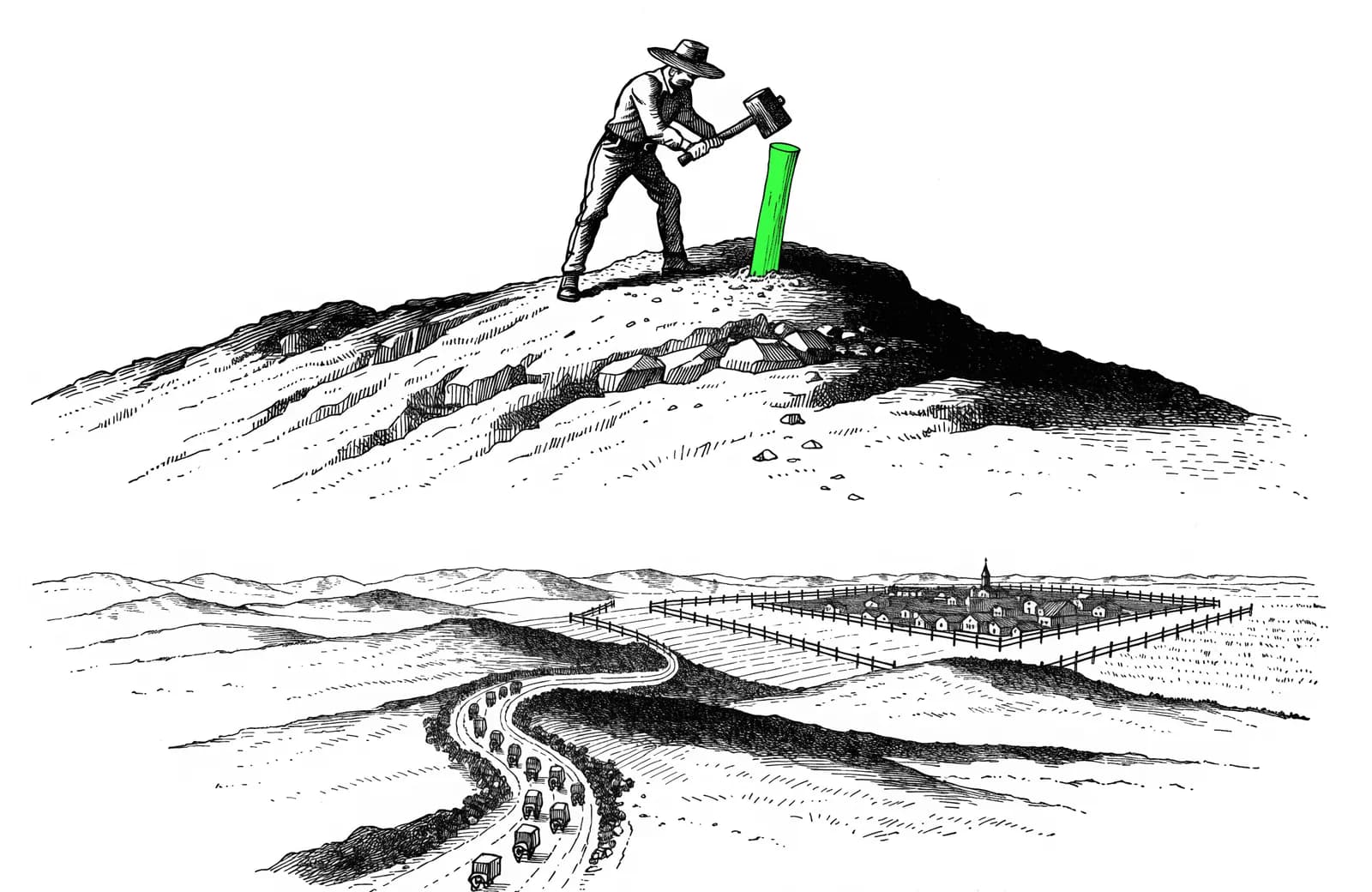
The window to find the best startups to invest in before institutional capital arrives keeps getting shorter, yet a minority of angels and micro-VCs consistently get there first. Their edge is not exclusive networks or better intuition. It is a structured sourcing routine built around pre-launch discovery, which surfaces founder-led deals weeks or months before they reach a deal board.
This piece maps that routine. It covers how the split between Reg CF and Reg D platforms shapes sourcing, how accredited and non-accredited investors route capital, how horizontal discovery sites differ from vertical deal platforms, which signals make a pre-seed startup worth watching, and how to build a stack that fits your investor profile.
The Structural Shift in Early-Stage Deal Sourcing
Early-stage investing has reorganized around a simple fact: by the time a company appears on a public deal board, the earliest-entry window has usually closed. Public listings have become a lagging indicator of where good founders are, not a leading one.
Regulation Crowdfunding platforms such as Wefunder and Republic do a real job in deal execution, and Reg D platforms serve accredited investors well at the allocation stage. Neither was designed to solve the sourcing problem. Both sit downstream of a decision the founder has already made: to raise formally.
That is why off-market deal flow has become a deliberate goal for many angels and micro-VCs rather than a by-product of being well connected. Founders who are building waitlists and early products can be identified weeks or months before any raise is listed. The pre-launch stage is where product conviction, distribution instincts and execution speed are most directly observable, and where investor access carries the least competitive pressure.
It also changes how investors work. The approach that tends to produce high-conviction positions is relationship-first and founder-fit driven: find founders early, engage before any institutional attention exists, and turn that timing into a genuine first look. That needs a different first step from browsing raise listings. It needs a discovery layer that shows you founders before they are raising at all.
Why Pre-Launch Discovery Is Its Own Sourcing Category
If the sourcing layer has moved upstream, the tools that serve it have to move upstream too. Pre-launch directories sit exactly there.
A founder who has just opened a waitlist or released a closed beta has not started fundraising. No deck is circulating and no Reg CF page exists. That gap between building and formally raising is invisible to any platform that needs an active raise to list a company, and it is where a directory like early.tools operates. Investors who watch it get weeks or months of relationship-building time before competition arrives.
Curation makes the signal readable. Raw deal boards give you volume, and the filtering work falls on you. A curated directory where each listing is reviewed before it goes live gives you a workable signal-to-noise ratio that scales with your time rather than the platform's intake.
The pre-launch stage also offers something later stages cannot: legibility. A founder managing a waitlist is optimizing for users, not investors. That shows product instincts and distribution thinking in a way a polished deck prepared for institutional audiences tends to hide.
Pre-launch discovery is not a fringe idea either. One market research report lists "startup discovery platforms" as a segment of its own, alongside deal flow management tools. Treat its market sizing with the usual caution, but the separation between finding startups and executing deals matches how systematic investors already work.
Where Discovery Fits: Accreditation and Check Size
Placing discovery in your stack means mapping the whole stack first.
Platform choice starts with accreditation status, not features. Under Regulation Crowdfunding, a company can raise up to $5 million in any 12-month period, and non-accredited investors can take part within annual investment limits. Wefunder's standard minimum is $100, and Republic lets companies set minimums from as little as $10, though each campaign sets its own. Reg D platforms such as AngelList and OurCrowd are for accredited investors, and Regulation D verification procedures are built into them.
Check Size Shapes the Route
For accredited investors, check size does a lot of the routing. AngelList syndicates are commonly open from around $1,000 per deal, although each lead sets their own floor. OurCrowd's deal minimums have typically started around $10,000. Check each platform's current terms before committing, because minimums vary by deal and change over time.
The Upstream Layer
Pre-launch discovery sites are not alternatives to Reg CF or Reg D platforms. They sit earlier in the stack and produce conviction, not capital deployment. The output of watching one is a relationship and a thesis, not a transaction.
The sequence for a systematic pre-seed investor looks like this:
- Discovery monitoring at the pre-launch stage
- Founder relationship building before any raise is announced
- Reg CF or Reg D due diligence once a raise is confirmed
- Capital deployment through the platform that fits your accreditation and check size
Each stage feeds the next. Discovery builds conviction, conviction speeds due diligence, and due diligence de-risks deployment. Investors who treat discovery as top-of-funnel rather than a place to transact build proprietary deal flow that people watching only raise listings cannot see.
The Pre-Seed Discovery Workflow
Knowing where discovery fits is the start. Running it consistently is what builds deal flow.
Step 1: Thesis-filtered monitoring. Review a curated pre-launch directory daily or weekly, filtered to the categories that match your thesis. Early.tools labels every listing by stage (waitlist, alpha, beta, early access or public), which lets you focus on the earliest stages. An AI-focused angel watches different categories from a fintech-focused one, and that filtering habit is what keeps volume manageable.
Step 2: Outreach before competition arrives. At the waitlist or beta stage the pressure is low. No term sheet is on the table, no rival investors are in the conversation, and the founder is focused on product and users. A short, genuinely curious note at this point builds relationship capital that outreach after a deck has circulated cannot.
Step 3: Execution velocity as a signal. Following a startup from waitlist to beta to public launch shows something no pitch deck can claim: this founder ships. Moving through stages on a steady schedule demonstrates operating discipline before any raise requires it. Reg D listings cannot show this, because they capture one moment rather than movement over time.
Step 4: Cross-check before you assume you are early. Once a founder clears your first filters, check Reg CF and Reg D listings to confirm no raise has been announced. If nothing appears, the timing advantage is real. The check takes minutes and protects you from believing you are early when a quiet raise has already started.
The Quality Shift
Conversations at this stage tend to move toward product instincts and early user behavior rather than rehearsed institutional decks. Founders who have not entered fundraising mode are usually more candid, which makes what they tell you more useful.
Why Cadence Matters
The pre-launch window for a competitive startup can be short. Investors who check discovery sources less than weekly risk losing the outreach timing to those who look daily. By the time a monthly reviewer acts on a listing, the founder may already have had several investor conversations.
Horizontal Discovery Platforms vs. Vertical Deal Platforms
The distinction between vertical deal platforms and horizontal discovery platforms is structural.
Vertical platforms are built for execution. AngelList, Wefunder and Republic integrate accreditation checks, legal documents and payment rails because their job is closing transactions. That depth is valuable, but it comes with a gate: every company visible on them has already decided to raise formally. The deal flow is self-selected by founders ready to take capital, not founders ready to build users.
Horizontal discovery platforms are built for signal breadth. Early.tools lists products from waitlist through to public launch across many categories, without requiring any fundraising intent from the founder. A team building a waitlist for a new AI workflow tool can appear there weeks or months before any raise exists. The founder commits no capital, the investor needs no accreditation, and the barrier to the signal is attention rather than regulatory status.
The Founder Intent Divide
The sharpest difference is what each platform captures. A founder on a deal platform signals capital readiness. A founder on a pre-launch directory signals product readiness and an intent to win users. That second signal is earlier, less rehearsed and often more diagnostic: decks are prepared for audiences, waitlists are built for customers. Reading an early product such as Almanac while it is in early access shows you a founder's instincts before institutional framing has shaped the story.
Horizontal platforms also offer category trend intelligence that vertical platforms structurally cannot. When several pre-launch products aimed at the same problem appear within a short window, that clustering points to a market forming, before any institutional pricing.
Complementary, Not Competitive
The two types are additive. Use a discovery directory for discovery and trend mapping, then route confirmed opportunities to the right Reg CF or Reg D platform once a raise is announced.
What Makes a Pre-Seed Startup Worth Watching
Not every pre-launch product deserves your attention. The signals that separate promising pre-seed startups from noise are specific, observable and mostly invisible to anyone waiting for a raise listing.
Organic waitlist growth is the first filter. Founders who reach early adopters through content or community before any paid acquisition are showing distribution instincts rather than just budget.
Category timing compounds the signal. When several founders independently build for the same problem in the same stretch, that suggests the problem is urgent. A startup launching into a category with that kind of activity is entering a rising demand curve, not a saturated one. Pre-launch directories make that pattern legible, because post-launch platforms show you individual companies rather than the tide they are riding.
Founder responsiveness during beta is directly observable. Changelog frequency, update cadence and how quickly early-user feedback shows up in the product are all visible before launch. An angel who engages during beta can judge iteration speed first-hand instead of inferring it from a pitch narrative.
Community formation before launch is a leading indicator of distribution. Products that build a Discord server, grow a newsletter list or create referral loops before going live show that the founder treats distribution as a product problem, not a post-launch marketing task.
Matching Investor Profile to the Right Stack
Identifying startups is half the work. Where you deploy capital depends on accreditation, check size and conviction threshold, and each profile needs a different mix of discovery and execution tools.
Non-accredited angels building a first portfolio should start with Reg CF platforms for execution, since they are open regardless of accreditation status, and use a directory like early.tools as a daily browsing habit before committing any capital. The goal at this stage is pattern recognition: which categories are gaining momentum, which launch signals line up with early traction, and how founders talk to their first users.
Accredited angels writing smaller checks can use early.tools to find companies at the waitlist or beta stage, start founder conversations before any raise is announced, and then move to AngelList syndicates or curated Reg D platforms once a raise goes live. Arriving with context and conviction matters when syndicate allocations are limited.
Micro-VCs and fund managers should formalize discovery into their weekly deal review instead of treating it as an ad hoc source. Category monitoring generates thesis-validation data: if several independent founders attack the same problem in a short window, that convergence is a signal worth tracking before institutional capital prices the round.
Family offices and search funds that prioritize founder fit over deal volume depend on relationships built before competitive attention arrives. Outreach at the waitlist stage is structurally different from outreach after a deck has circulated.
Across all four profiles, using discovery to map competitive density within your target verticals pays off the same way. When many founders independently attempt the same problem, it informs both which deals to pursue and how to build a portfolio with deliberate exposure to emerging categories.
Building a Sourcing Stack: Tools and Cadence
Once the stack fits your profile, the question is how to run it week to week. It has three layers: discovery, relationship and execution. Collapsing them produces the same outcome as relying on raise listings alone.
Early.tools as the Discovery Layer
Within the discovery layer, early.tools works as a live feed of pre-market signal. Browse new arrivals by category and watch each product's stage as it moves from waitlist to beta to public launch. A product that moves through all three on a steady schedule is demonstrating execution velocity that no deck can replicate.
Members also get the founder watchlist, a members-only radar of early-stage founders and what they launch next, which fits investors who prefer to follow people rather than categories. The founder directory complements it when you want to look up a founder behind a listing.
A Cadence That Produces Results
Enterprise deal-sourcing services serve private-equity firms with dedicated staff and budgets. For an angel, the equivalent advantage comes from a simpler habit: consistency.
- Daily: a brief scan of new pre-launch arrivals in your target categories
- Weekly: a category trend review across two or three thesis verticals, noting which problem spaces are attracting several independent founders
- Monthly: direct outreach to a handful of founders identified through monitoring, before any raise is announced
Quarterly Stack Review
Review the execution layer every quarter. Deal flow on the major Reg CF and Reg D platforms increasingly reflects what institutional attention has already priced. The pre-launch layer does not follow that logic, and investors who build the monitoring habit early accumulate relationship depth and pattern recognition that late entrants cannot easily match.
The Discovery Advantage Is Timing, and Timing Is a Habit
The investors finding top pre-seed startups are not waiting for pitch decks. They watch founders build before a raise is announced, before valuations are set under competitive pressure, and before institutional capital has visibility. That window is real, but it does not last.
The practical response is simple: add a pre-launch discovery source like early.tools to your weekly sourcing routine. The entry point that compounds fastest is category monitoring. Pick two or three thesis verticals, track new waitlist and beta products in them consistently, and let patterns build over weeks. When a raise does appear on a Reg CF or Reg D platform, you arrive with context, conviction and a relationship, not just a check.
Discovery should feed conviction, and conviction should drive execution. Investors who reverse the order, entering through platform listings and building conviction backward, pay for timing they could have owned.
Conclusion
Pre-launch discovery is now a sourcing category of its own, separate from raise listings. A systematic routine beats reactive deal-chasing, and conviction built through early observation is more durable than conviction assembled backward from a deck.
Start this week. Add a discovery source to your routine, choose two or three thesis verticals, and monitor them consistently. What separates investors who find the best pre-seed startups from those who chase them is the discipline to build that habit first.